



Urban areas are the driving force of economic growth, and in
Indonesia, the urbanization rate increased from 48% to 54%
between 1990 and 2020, while per capita GDP grew at an
average annual rate of 3.3%.
However, housing shortages remain a pressing challenge.
According to government plans, there is a nationwide shortage
of 29.2 million adequate housing units, and urban areas are
expected to accommodate 1 million new and renovated housing
units per year for five years.
Furthermore, strengthening urban resilience in light of
intensifying natural disasters and climate change is also a critical
challenge. With emissions from the building and transport
sectors accounting for more than half of total CO2 emissions, the
demand for decarbonized urban development is accelerating.
Against this backdrop, Indonesia's ambitious Three Million
Housing Programme is expected to accelerate not only housing
provision but also promote long-term environmental and climate
sustainability.
The OECD, with the support of the Indonesian and Japanese
governments, has compiled policy recommendations for
sustainable housing, building, and urban development in
Indonesian cities.
These recommendations include establishing
and implementing a national housing supply strategy
incorporating decarbonization targets, gradually strengthening
building regulations, promoting housing supply through urban
densification and TOD, and advancing disaster-resilient urban
development.
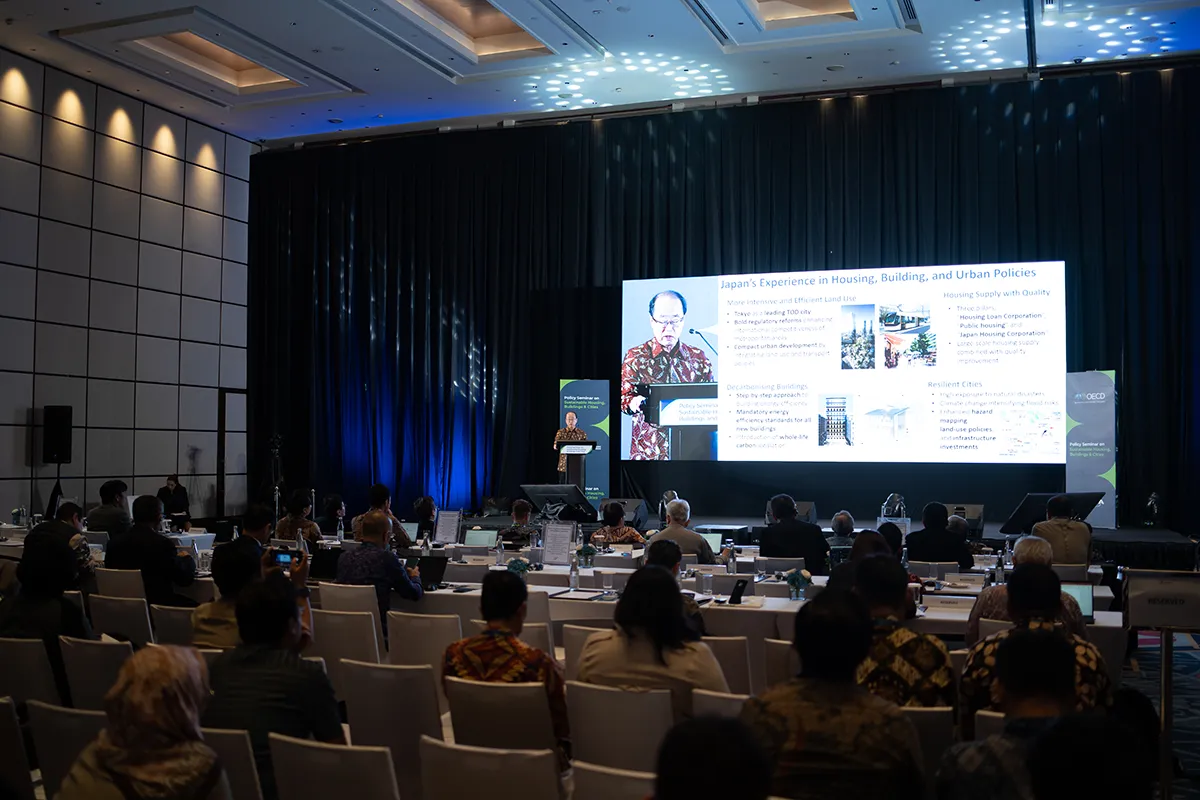
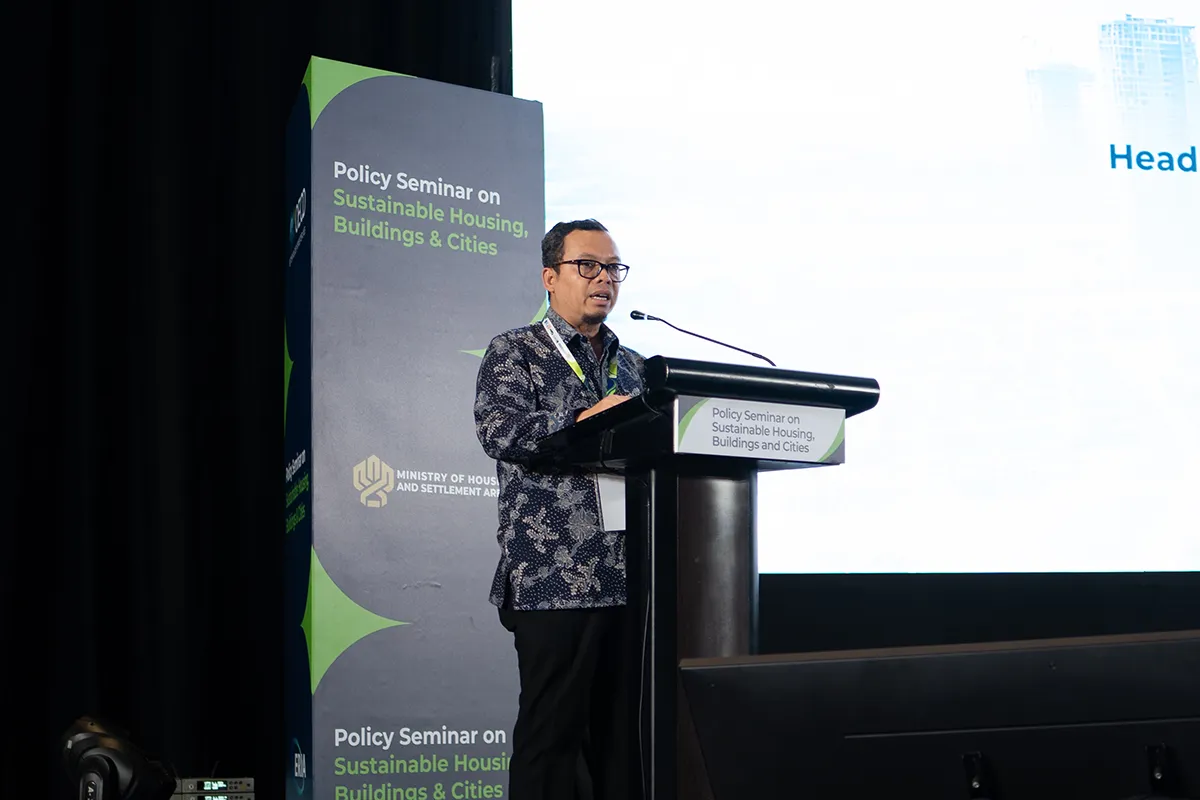
This seminar offers a platform to explore these issues from a
global perspective, guided by OECD recommendations, and to
shape a shared vision for Indonesia's urban future.
Supported by:





Monday, January 26th, 2026

10:00 - 16:30

Grand Ballroom, 1st Floor, Fairmont Jakarta

Free
(Lunch & refreshments will be served)

Please apply from the QR code below. Deadline: January 16th, 2026.
*Please note that we may close the registration earlier once the limit reached.

info@indonesiasustainablecities.id https://indonesiasustainablecities.id

Embedding sustainability in housing & building development policies.
Support housing supply through promoting urban densification and climate-resilient urban development.

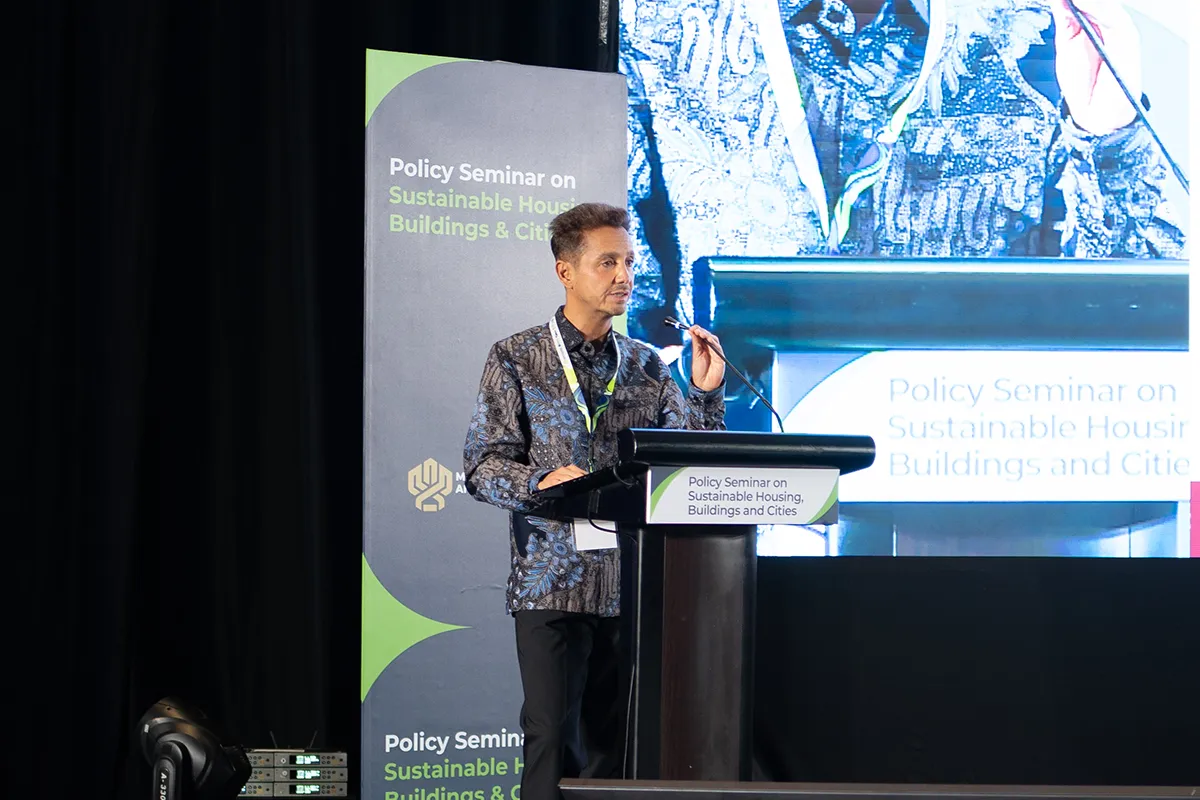
Director, OECD Centre of Entrepreneurship, SMEs, Regions and Cities
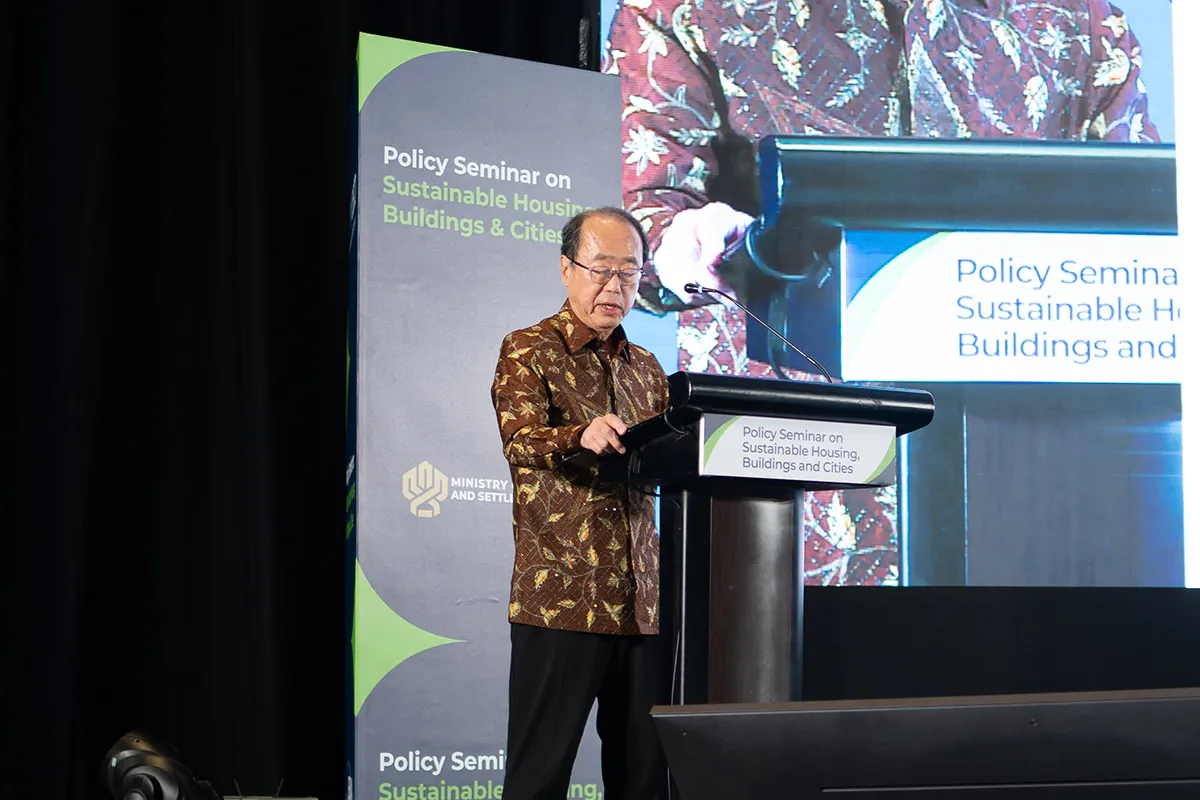
Project Professor, University of Tokyo; Doctor of Engineering; Former Special Advisor to the Prime Minister; Advisor to BCJ

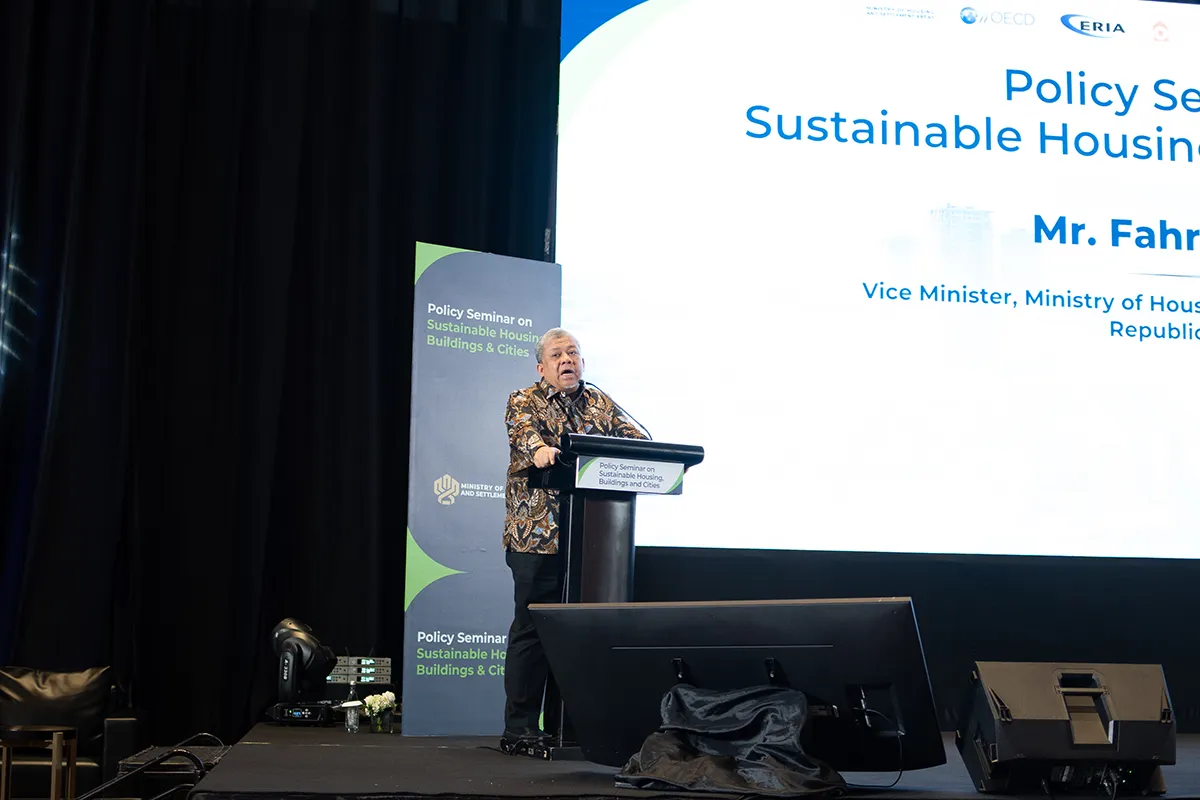
Vice Minister of Housing and Settlement Areas of the Republic of Indonesia

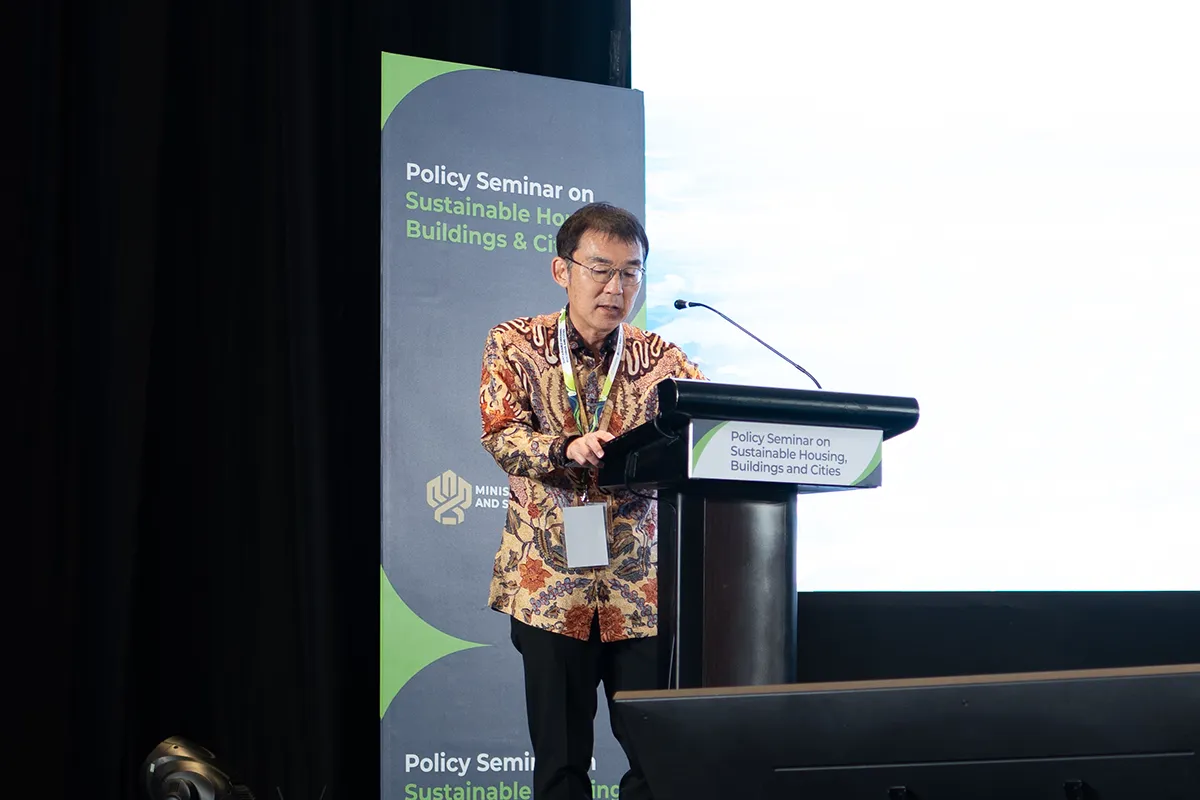
Deputy Director General, City, Housing, Ministry of Land, Infrastructure, Transport & Tourism (MLIT)